Understanding House Edge Across Games

The house edge is a core concept in gambling that determines the casino’s long-term advantage over players. It represents the percentage of each bet that the casino expects to keep on average. Understanding house edge helps players make informed decisions, manage risk, and choose games that align with their strategy and bankroll.
House edge varies widely between games, and even within a single game type depending on rules or variations. By knowing how it works, gamblers can prioritize games with lower house advantages and optimize their play for longer sessions and better odds.
What House Edge Means
House edge is expressed as a percentage of each bet. For example, a game with a 5% house edge means that, over time, the casino expects to retain $5 for every $100 wagered. It is a statistical expectation and does not predict short-term outcomes.
Players may win or lose in individual sessions, but over many rounds, the house edge ensures the casino maintains profitability. Understanding this helps bettors set realistic expectations and avoid chasing losses based on short-term results.
House Edge in Common Casino Games

Different games carry different house edges, influenced by rules and player decisions. Games like blackjack offer some of the lowest house edges if basic strategy is applied, while certain slot machines can have higher percentages.
| Game Type | Typical House Edge | Notes |
|---|---|---|
| Blackjack | 0.5–1% | Using basic strategy reduces edge |
| Baccarat | 1.06–1.24% | Banker bets have slightly lower edge |
| Roulette (Single Zero) | 2.7% | European roulette offers lower edge than American |
| Slots | 2–10%+ | Varies widely depending on machine |
| Craps (Pass Line) | 1.41% | Simple bets offer lower edge |
Choosing games with lower house edges increases the probability of extending play and reducing losses over time.
Factors That Affect House Edge
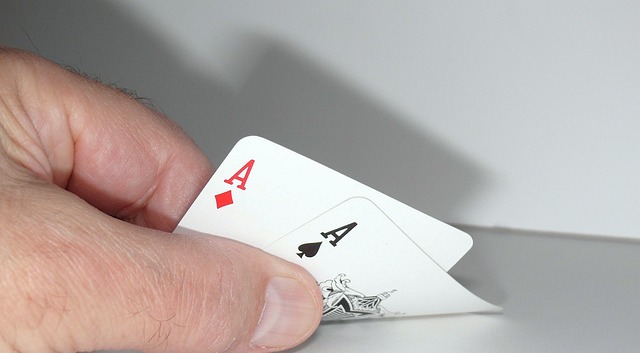
Rules and game variations significantly impact house edge. For example, blackjack games with fewer decks and favorable rules reduce the casino’s advantage. Similarly, slot volatility and payout structures affect expected returns.
Player strategy also matters. Games like poker or blackjack require skill to approach the theoretical house edge. Poor decisions increase the effective edge, while informed play minimizes it.
Using House Edge to Inform Strategy
Understanding house edge helps players decide how to allocate their bankroll. Games with lower edges are preferable for long-term play, while higher-edge games may be suited for casual entertainment. Adjusting bet sizes and game choice based on edge ensures more sustainable and controlled gambling sessions.
Professional gamblers often combine house edge knowledge with bankroll management and probability analysis to make calculated decisions. Even small adjustments in game selection can significantly affect overall outcomes over time.