The Gig Economy Bettor: Are Micro-Tasks Turning Into Micro-Bets on Human Labor?

Forget roulette wheels and football odds. The real betting arena might be that tab you keep open on your laptop at 2 a.m., waiting for someone to pay you $3 to remove background noise from a cat meowing on a podcast. Welcome to the gig economy: a digital casino where the house isn’t the casino… it’s the algorithm. And the players? Every freelancer who clicks “Accept task” without knowing whether it will take five minutes or steal their afternoon like a needy toddler with glue and glitter.
The Freelancer as a Risk-Taker
Let’s stop pretending freelancing platforms are just marketplaces. They’re hidden betting exchanges. You don’t “choose jobs.” You gamble on them. You try to predict value, time commitment, and the client’s capacity to write coherent instructions. You measure risk: Will this “simple logo redesign” be a minor tweak or a spiritual journey into a brand identity meltdown? Will the client approve the work… or ask you to “make it more like Apple but also like Minecraft”? This isn’t project management. It’s sports betting with extra caffeine.
If casinos have slot machines, the gig world has “micro-tasks.” You don’t lose coins; you lose hours. The jackpot is sometimes $8. The loser’s screen? “Client has requested revisions.”
When Your Portfolio Looks Like a Betting Slip
Scroll through freelancer profiles. They read like achievement cards: 5 stars for proofreading TikTok captions. Top-rated for transcribing phone calls recorded with a potato. Badge for 100 completed surveys about tortilla usage.
And just like gamblers, freelancers develop superstitions.
- Tasks priced under $5? Bad omen.
- Clients who type in all caps? Avoid like malware.
- Jobs posted at 3 a.m.? Only take if horoscope agrees.
This is how markets evolve into rituals. When uncertainty grows, humans start believing in signs. Even if the sign is a profile picture of a guy wearing aviators indoors.
“Looking for a place to bet without risking your sanity? At least sports betting has rules.”
Check platforms like 22Bet, where the stakes are clearer than dealing with “urgent tasks” that somehow pay less than a sandwich.
The Gig Market = A Live Betting App
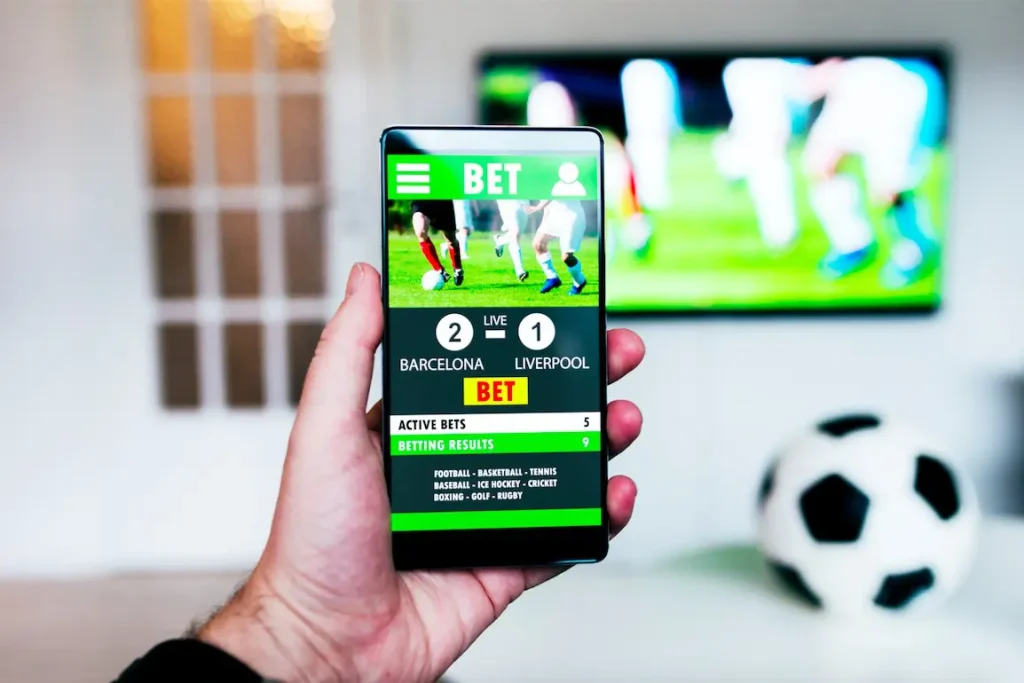
In sports betting, odds shift in real time. In freelancing, task prices shift too—except not for skill, speed, or experience. They shift because 50 desperate souls in five time zones would rather earn $2.50 today than zero tomorrow. That’s not an economy; it’s a global panic button.
Clients don’t even have to think. They dangle bait and watch workers underbid each other like an auction run by financial anxiety. It’s dynamic pricing, but not sexy like Uber surge. It’s surge pricing powered by survival.
The platform benefits from this chaos. More bids mean more engagement, more transactions, and more fees. The freelancer’s loss is the platform’s cut. Casino logic. Just with profile pictures and chat bubbles.
Psychology of the Micro-Bet Worker
Gamblers chase adrenaline. Freelancers chase “Just one more task before bed.” Same brain pathway, different enemy. In betting, you imagine the victory. In freelancing, you imagine the client who says “Perfect work!” with zero revisions. But that’s the unicorn—seen rarely, believed by many, photographed by none.
There’s dopamine when you get hired. There’s dopamine when you get five stars. And there’s crushing defeat when a client ghosting you feels like a personal breakup. The difference? You can’t send an angry playlist to your ex-client.
Is There a Way Out?
Should freelancers unionize like poker pros forming teams? Should platforms declare “fair odds” like regulated betting markets? Or should we simply accept that the gig economy is a digital casino where the currency isn’t money—it’s time you’ll never get back?
Maybe the first step is recognizing the gamble. Every “Accept task” button is a spin of the wheel. Every project description is a mystery box. And every client feedback could be a jackpot… or a penalty card that makes you question your existence.
If gig platforms want to call workers “partners,” maybe it’s time they stop treating them like players in a game they can’t win. Until then, freelancing remains the only bet where you pay with energy, overthink odds, and celebrate victories that barely cover lunch.
Welcome to the gig economy, where you’re not just a worker—you’re a bettor with a keyboard.